
Warehouse Water Extraction Riverside, CA
High-Capacity Flood Response for Large-Scale Commercial Facilities
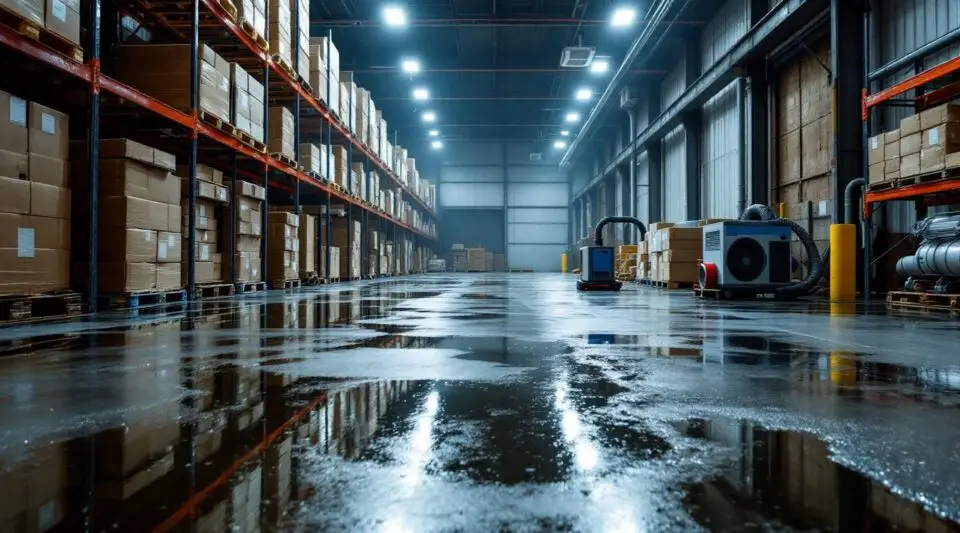
When a warehouse in Riverside takes on water—whether from a burst main or a sudden El Niño downpour—the clock doesn't just tick; it roars. You aren't just dealing with a puddle; you’re looking at thousands of square feet of concrete slab that acts like a sponge for moisture. If that water sits, it doesn't just ruin the floor. It wicks into racked inventory, compromises structural integrity, and creates a massive liability for mold. Our approach to Warehouse Water Extraction focuses on high-volume removal to get your logistics or distribution operation back to 'business as usual' before the downtime costs exceed the repair bill.
In the Inland Empire, specifically along the I-215 and SR-60 corridors, warehouses are the backbone of the economy. A flood in a loading dock or a main floor isn't just a maintenance issue; it's a supply chain disruption. We use high-capacity truck-mount extractors designed to move thousands of gallons of water per hour. This isn't a job for a standard shop-vac or a small portable unit. You need industrial-grade suction that can pull water from the deep pores of a concrete subfloor. Our crew understands that every hour your forklifts aren't moving is an hour of lost revenue for your tenants or your own logistics clients.
To ensure the facility is truly dry, our team of experienced technicians employs thermal imaging moisture detection to find water hiding behind pallet racking or under heavy equipment. We don't just guess where the water went; we map it. This moisture mapping is critical for your insurance documentation and for preventing the long-term slab moisture issues that plague many industrial zones near the Santa Ana River. By identifying the exact boundaries of the intrusion, we can place air movers and desiccant dehumidifiers with surgical precision, accelerating the drying cycle significantly.
We also take the regulatory burden off your shoulders. California has strict wastewater discharge regulations, meaning you cannot simply pump warehouse floodwater into the nearest storm drain. We handle the extraction and disposal in full compliance with local Riverside rules, ensuring you don't face heavy fines on top of your repair costs. Whether you are dealing with a loading bay flood or a large-loss event across a half-million square feet, we provide the scale and the documentation necessary to protect your property and your bottom line.
Our licensed operators handle warehouse water extraction with upfront pricing, fully insured equipment, and 24/7 availability throughout Riverside, CA.
Warehouse Water Extraction Riverside, CA
Protecting Your Inventory and Infrastructure with High-Capacity Bulk Water Removal
When a pipe bursts or a flash flood hits your Riverside loading dock, the clock starts ticking against your concrete slab and your racking. You aren't just looking at a puddle; you're looking at a direct threat to your logistics schedule and tenant trust. Professional industrial water extraction is about more than just sucking up liquid. It’s a strategic response designed to stabilize the environment before moisture wicks into your dry goods or causes the concrete subfloor to hold onto humidity for weeks. By deploying high-capacity truck-mount extractors immediately, we pull the bulk of the volume out before it can find its way under heavy machinery or into expansion joints.
After the visible water is gone, the real work of warehouse slab drying begins. Our experienced technicians use thermal imaging moisture detection to find where the water is hiding behind your walls or under the pallet racking. If you leave these pockets alone, you’re inviting mold to colonize your inventory within 48 hours. We use desiccant dehumidification to pull deep-seated moisture from the air and the floor, ensuring your facility meets the IICRC S500 standard for a truly dry environment. This level of precision prevents the secondary damage that often leads to insurance disputes and long-term structural issues.
Handling large-loss water damage in the Inland Empire requires a firm grasp of local wastewater rules. You can't simply pump contaminated water into a Riverside storm drain without risking heavy fines. We manage the entire disposal process, ensuring all extracted fluids are handled by a licensed waste hauler in compliance with California's strict environmental regulations. This comprehensive approach keeps your facility operational and your company out of regulatory trouble while we focus on getting your loading bays back in service.
-
RAPID MOBILIZATION — We arrive at your Riverside facility with heavy-duty equipment to stop water migration before it reaches your high-value inventory.
-
PRECISION MOISTURE MAPPING — Using thermal imaging, we identify hidden moisture trapped in concrete slabs and wall cavities that standard tools miss.
-
REDUCED OPERATIONAL DOWNTIME — Our high-volume extraction process is designed to clear loading docks and aisles quickly, allowing your crew to return to work.
-
IICRC S500 COMPLIANCE — Every project follows rigorous professional standards to ensure structural drying is documented and thorough for insurance purposes.
-
SAFE WASTEWATER DISPOSAL — We handle the legal disposal of extracted water, protecting you from California’s strict environmental discharge penalties.
Warehouse Water Extraction Riverside, CA
Why Choose Neko for Warehouse Water Extraction
Neko combines local knowledge, modern equipment, and honest communication for every warehouse water extraction call.
LOCALLY OWNED & OPERATED
Dispatchers and drivers who know your community.
GPS-TRACKED FLEET
Real-time ETAs and the closest available truck.
LICENSED PROFESSIONALS
Fully insured operators trained for safe recovery.
UPFRONT PRICING: Clear quotes before our truck rolls
no surprise fees.
Warehouse Water Extraction Riverside, CA
Warehouse Water Extraction Logistics
Warehouse Water Extraction Riverside, CA
Warehouse Water Extraction Riverside
In the Riverside industrial corridor, the concrete slab is the heart of your operation. When a loading dock floods or a main line bursts, that slab becomes a reservoir. You aren't just dealing with a puddle; you're looking at a logistical standstill. If you don't initiate bulk water removal immediately using high-capacity truck-mount extractors, the water doesn't just sit there—it migrates. It finds the expansion joints and the porous surface of the concrete, threatening the very foundation of your facility. Our crew understands that every hour the water remains is an hour your logistics clients are looking at their watches. We focus on rapid commercial flood response to ensure your loading bays are clear and your forklifts can move safely without the risk of hydroplaning or electrical hazards.
Beyond the visible standing water, the real danger to your bottom line is the wicking effect. Water travels up drywall, pallet racking, and directly into your inventory. By the time you see the dampness on a cardboard carton, the product inside may already be a total loss. We use thermal imaging moisture detection to see what the naked eye misses, mapping out exactly where the moisture has traveled. Following the IICRC S500 standard, we don't just suck up the water and leave. We implement an inventory protection protocol and deploy desiccant dehumidification to pull deep-seated moisture out of the air and the building’s structure. This prevents the secondary damage that insurance adjusters often scrutinize—mold growth and structural warping that can appear days after the initial event.
You also have to consider the regulatory landscape here in the Inland Empire. California’s strict wastewater discharge rules mean you can’t simply pump warehouse floodwater into the nearest storm drain. Doing so risks heavy fines and environmental liability. Our industrial water extraction process includes proper containment and disposal of contaminated water, ensuring your facility remains compliant with local Riverside ordinances. Whether your warehouse is near the Santa Ana River or tucked along the I-215, the groundwater levels can complicate how a slab dries. We monitor the concrete subfloor drying process with precision, ensuring that when we hand the keys back, your facility is truly dry, not just "dry enough" to fail a future inspection. Our team is trained to handle these large-loss scenarios with the technical rigor your facility manager expects.
Our Services
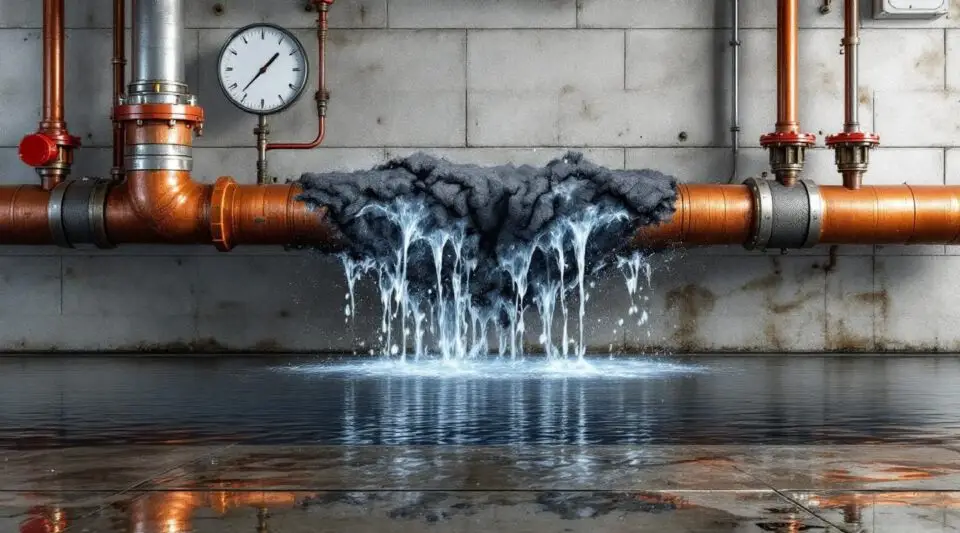
Commercial Pipe Burst Repair
When a pressurized pipe failure occurs in a Riverside office building or retail space, you do not have hours to debate the cause; you have minutes to stop the spread.
View Service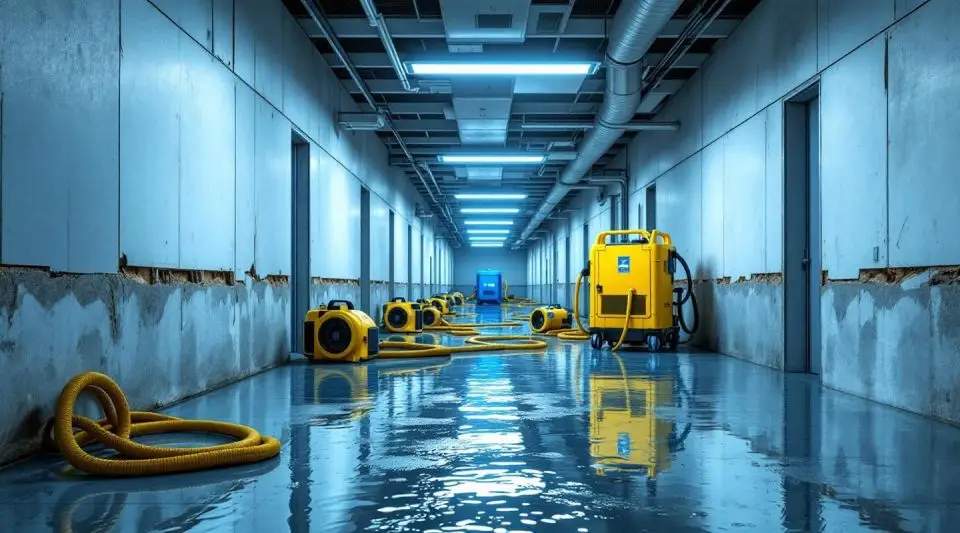
Commercial Water Damage Restoration
When a main line bursts in a Riverside warehouse or a late-summer monsoon overwhelms a flat roof on a retail center, the clock doesn't just tick—it drains your revenue.
View Service
Hotel Water Damage Restoration
When a main line fails or a guest leaves a tap running on the fourth floor, the clock starts ticking against your RevPAR and your reputation.
View Service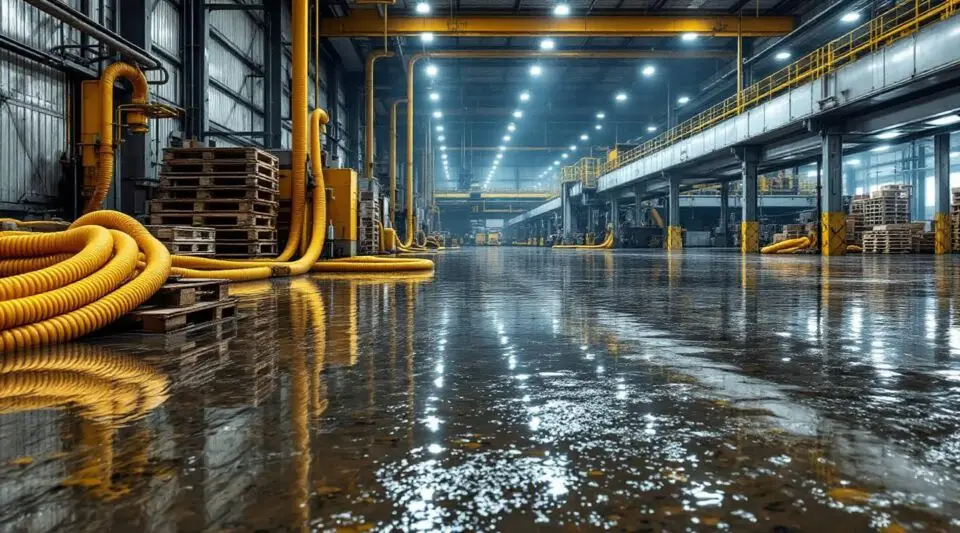
Industrial Flood Cleanup
When a water main fails or a storm surge breaches an industrial facility in Riverside, the clock doesn't just tick; it roars.
View Service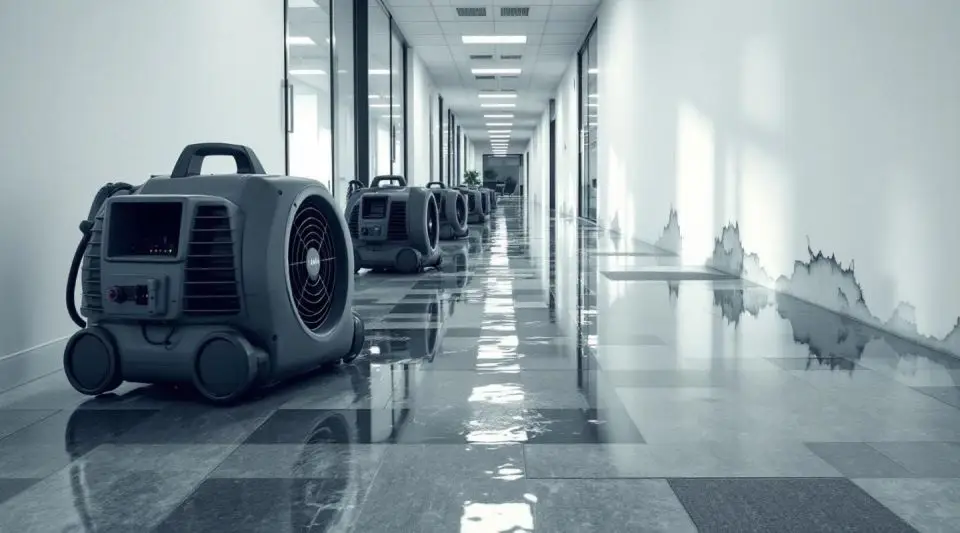
Office Building Flood Repair
When an atmospheric river hits the Inland Empire, the drainage systems in downtown Riverside can quickly become overwhelmed, leading to catastrophic building envelope breaches in older office complexes.
View Service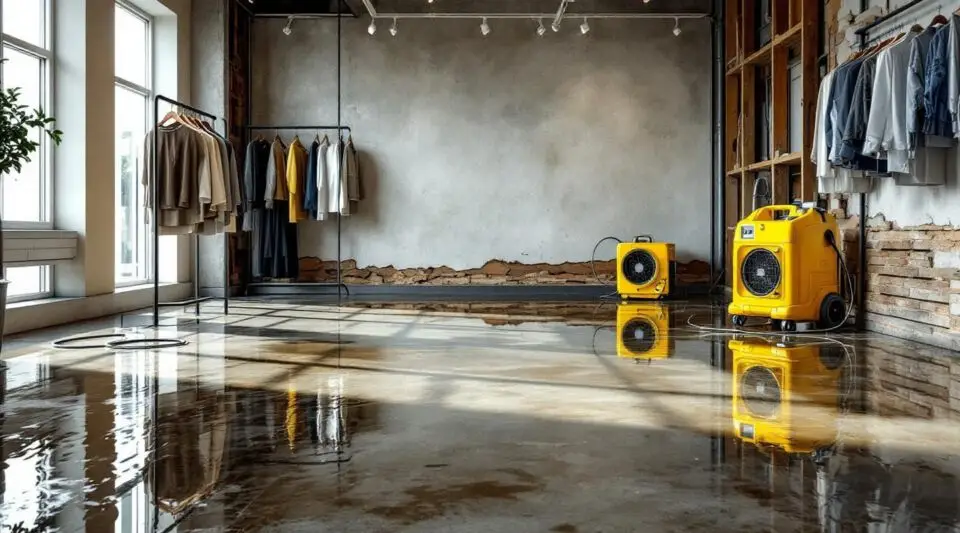
Retail Store Flood Recovery
California Flood and Water Damage delivers rapid, expert Retail Store Flood Recovery in San Diego to ensure your commercial property is dried, sanitized, and ready for customers as quickly as possible.
View Service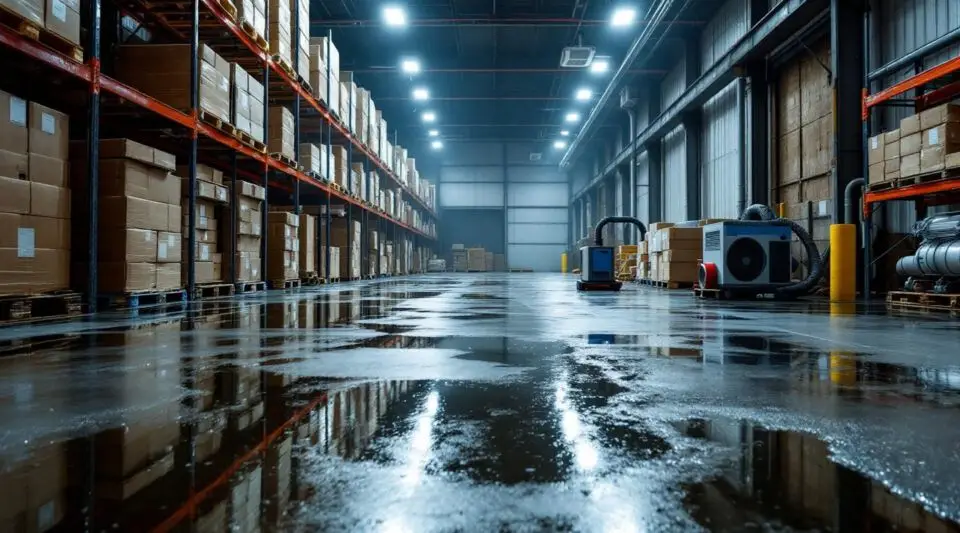
Warehouse Water Damage Cleanup
When a flat roof fails during a Riverside atmospheric river event or a high-pressure fire suppression line bursts, the sheer volume of water can overwhelm a 50,000-square-foot facility in minutes.
View ServiceProtect Your Inventory and Resume Logistics Operations in Riverside
Every hour that standing water sits on your warehouse slab is an hour that moisture wicks into your racked inventory and compromises your logistics schedule. Our Riverside commercial team understands that downtime isn't just an inconvenience—it’s a massive hit to your bottom line and client trust. We deploy high-capacity truck-mount extractors to remove bulk water immediately, preventing the long-term structural issues that occur when concrete is left saturated.
Don't let a flood event turn into a total loss for your facility. You can learn more about our crew and our specialized inventory protection protocol before we arrive on-site. We are ready to mobilize 24/7 to ensure your loading docks and storage bays are dry, safe, and back in service according to IICRC S500 standards.
What They Say About Us:
The team handled our kitchen flooding near the Santa Ana River with incredible attention to detail. They didn't just extract the water but ensured every inch of the subflooring was completely dry.
Jane
Thorough Warehouse Water Extraction and Subfloor Drying in RiversideThese professionals arrived at our Canyon Crest home quickly and kept us updated throughout the entire drying process. Their dependable service made a stressful situation much easier to manage for our family.
Slyvia
Dependable Warehouse Water Extraction for Major Kitchen LeaksThe specialists arrived at our Orangecrest property right on time and meticulously checked our cabinets for any hidden moisture. We really appreciated how they monitored the equipment daily and helped us navigate the insurance claim process.
Jacqueline
Professional Warehouse Water Extraction and Insurance Claim AssistanceAfter a kitchen fire near the Mission Inn, this crew efficiently cleared the debris and restored the room to its original state. Their knowledgeable staff was extremely polite and made the entire restoration process much less overwhelming.
Nam
Expert Fire Damage Restoration and Debris Removal in RiversideWhen we discovered mold behind the drywall in our Wood Streets home, the team responded quickly to eliminate the issue professionally. It was a huge relief that they took the extra time to identify and fix the underlying source of the dampness.
Sandra
Fast Mold Remediation and Warehouse Water Extraction Services